 Save
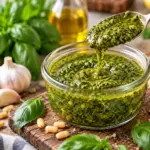
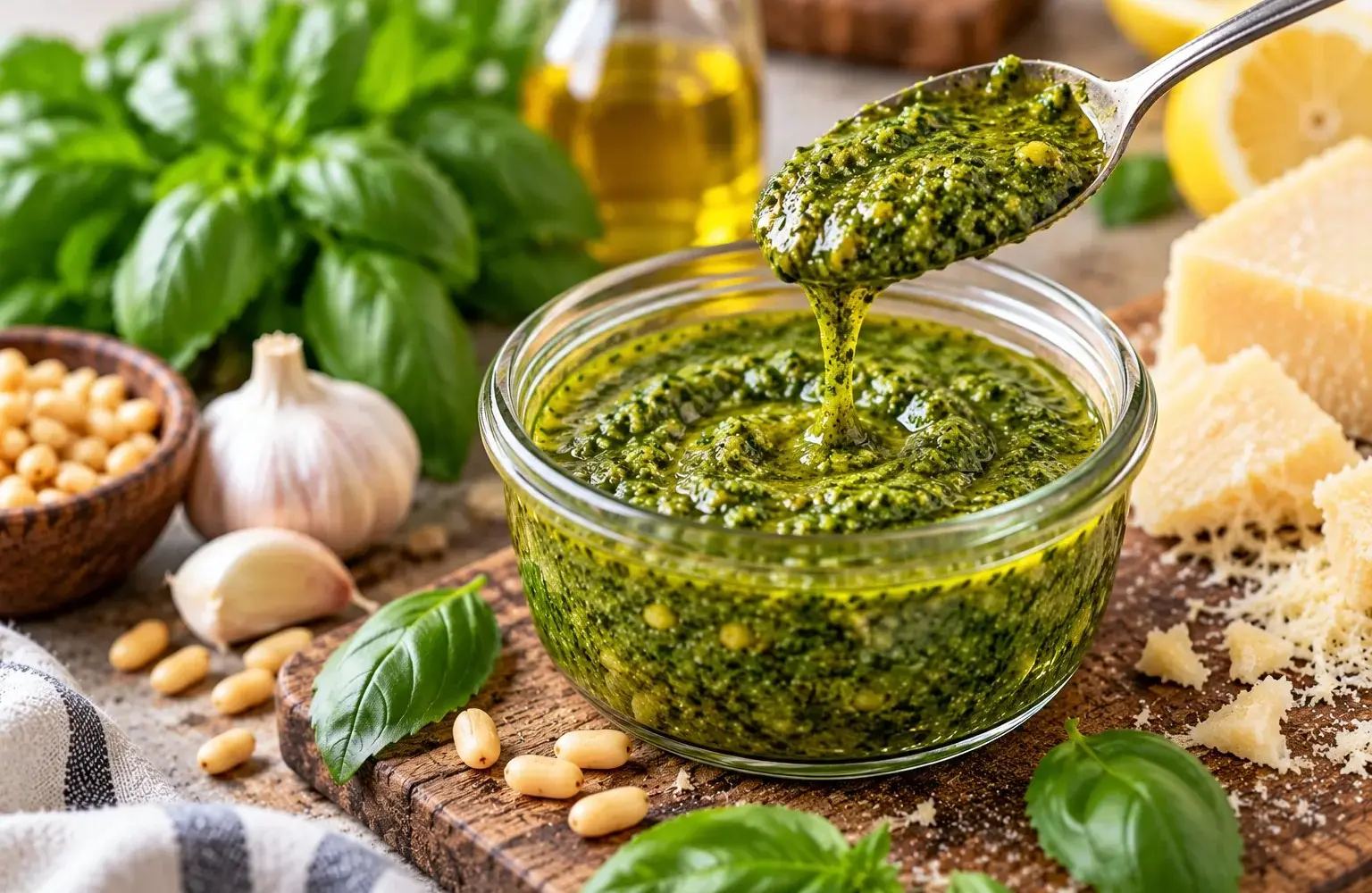
This pesto sauce recipe blends fresh basil, lightly toasted pine nuts, Parmesan, garlic, a squeeze of lemon and olive oil into a bright green, no-cook sauce. Toasting the nuts takes a few minutes; the blending takes about one, so it’s ready in roughly 15 minutes and makes about a cup. Toss it with pasta, spread it on sandwiches or spoon it over chicken and vegetables. Below you’ll find what each ingredient does, how to get the texture right, how to keep pesto green, nut-free and dairy-free options, and how to store it safely.
What Is Pesto Sauce?
Basil pesto is an uncooked sauce made by blending fresh basil with garlic, nuts, hard cheese and olive oil. It’s herby, garlicky and nutty, with a rich texture that coats pasta without any cooking. Because it isn’t heated, the basil keeps its fresh flavor, which also means it needs careful storage (see below).
Pesto vs. marinara vs. alfredo
| Pesto | Marinara | Alfredo | |
|---|---|---|---|
| Base | Basil, nuts, Parmesan, olive oil | Tomatoes, olive oil, garlic | Butter, cream, Parmesan |
| Cooked? | No | Simmered | Simmered |
| Flavor | Fresh, herby, garlicky | Bright, tangy | Rich, mild |
| Best with | Pasta, sandwiches, chicken | Spaghetti, dipping | Fettuccine, broccoli |
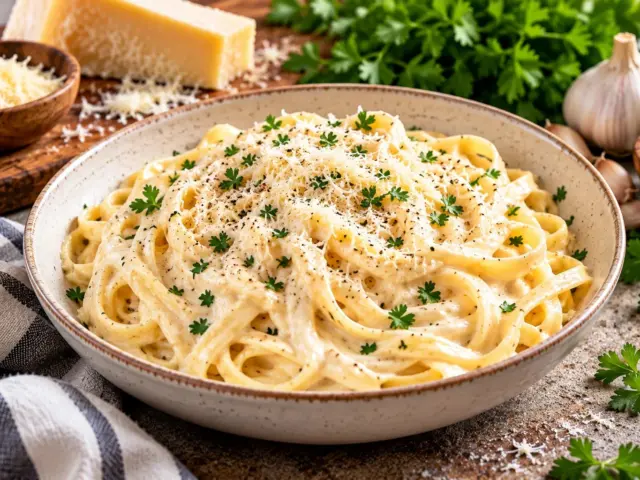
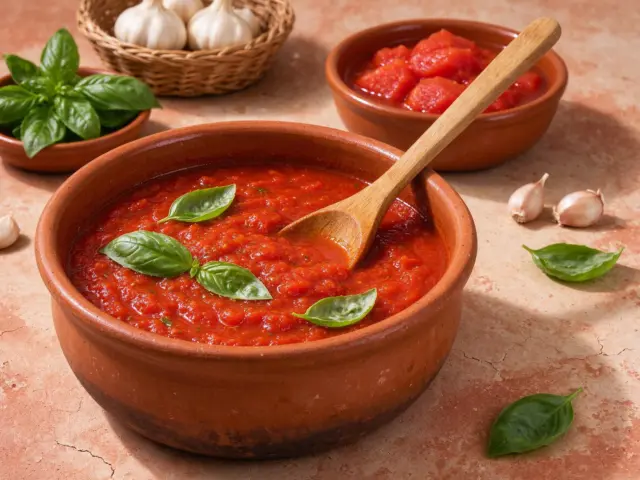
For a cooked tomato sauce, try our easy marinara sauce. For a rich cream sauce, see our homemade alfredo sauce.
Ingredients You’ll Need
- Fresh basil (2 packed cups, leaves only): the heart of the sauce. Use dry leaves; wet leaves make watery pesto.
- Pine nuts (1/3 cup), lightly toasted: body and a buttery, nutty flavor. Walnuts are a common, less expensive swap.
- Parmesan cheese (1/3 cup, finely grated): salty, savory depth.
- Garlic (2 cloves): sharp bite. Add a third clove if you like it strong.
- Fresh lemon juice (1 tablespoon): brightness. Several recipes also use lemon to help the basil stay green.
- Extra-virgin olive oil (1/3 cup, plus 1 to 2 tablespoons if needed): turns the paste into a sauce.
- Salt (1/4 teaspoon) and black pepper (a pinch): seasoning. Taste after the cheese goes in; Parmesan is salty.
How to Make Pesto Sauce
- Toast the pine nuts. Cook them in a dry skillet over medium-low heat, stirring often, for 3 to 4 minutes, until lightly golden and fragrant. Move them to a plate to cool. They burn quickly, so don’t walk away.
- Blend the base. Put the basil, cooled pine nuts, Parmesan, garlic, lemon juice, salt and pepper in a food processor. Pulse until finely chopped, scraping down the sides.
- Add the oil. With the processor running, pour in the olive oil in a slow stream until the pesto is smooth but still has a little texture.
- Adjust. Taste, then add more salt, lemon or garlic as needed. For a looser sauce, blend in another 1 to 2 tablespoons of oil.
Getting the Texture Right
- For pasta: loosen the pesto with a few spoonfuls of the hot pasta cooking water as you toss, so it coats the noodles instead of clumping.
- For sandwiches and spreading: use it as written, or with a little less oil.
- For drizzling over chicken, fish or vegetables: blend in the extra oil.
- Too thick? Add oil or pasta water a tablespoon at a time. Too thin? Pulse in a few more basil leaves or a spoonful of nuts.
Keeping Pesto Green
Cut or blended basil darkens when it’s exposed to air. Lemon juice helps, and so does covering the surface: pack leftover pesto into a small container, smooth the top and pour a thin layer of olive oil over it before closing. Serve fresh pesto soon after blending for the brightest color.
Nut-Free, Dairy-Free and Other Swaps
- Nut-free: leave out the nuts. The pesto will be thinner and less rich; add a little more Parmesan for body.
- Dairy-free: leave out the Parmesan and add a pinch more salt.
- Walnut pesto: use walnuts instead of pine nuts.
- Pesto cream sauce: stir 2 to 3 tablespoons of pesto into warm alfredo sauce for a creamy green pasta sauce.
- Allergy note: this recipe contains nuts and milk (Parmesan). The FDA lists tree nuts and milk among the major food allergens; check with your doctor about specific nut allergies.
How to Store Pesto Safely
Homemade pesto is a low-acid mix of fresh garlic, herbs and oil, so it must stay cold. Oregon State University Extension advises that pesto be refrigerated and used within 4 days, or frozen for longer storage. Don’t keep it at room temperature, and don’t can it: OSU notes that no research has been done on safe canning times for pesto. To freeze, spoon it into ice cube trays, then wrap the frozen cubes and store them in a freezer container. Keep your refrigerator at 40°F or below.
Frequently Asked Questions
What is pesto sauce made of?
Classic basil pesto is fresh basil, pine nuts, Parmesan, garlic and olive oil, often with a little lemon juice, salt and pepper.
Can I make pesto without pine nuts?
Yes. Walnuts are the most common swap, or leave the nuts out for a nut-free version.
Can I make pesto without a food processor?
A blender works; use the pulse setting and stop to scrape down the sides. You can also chop everything very finely by hand for a rougher pesto.
How do I make creamy pesto sauce?
Stir a few tablespoons of pesto into warm alfredo or cream sauce, or toss pasta with pesto and a splash of cream.
How long does homemade pesto last?
Oregon State University Extension advises refrigerating homemade pesto and using it within 4 days, or freezing it for longer storage.