 Save
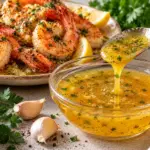
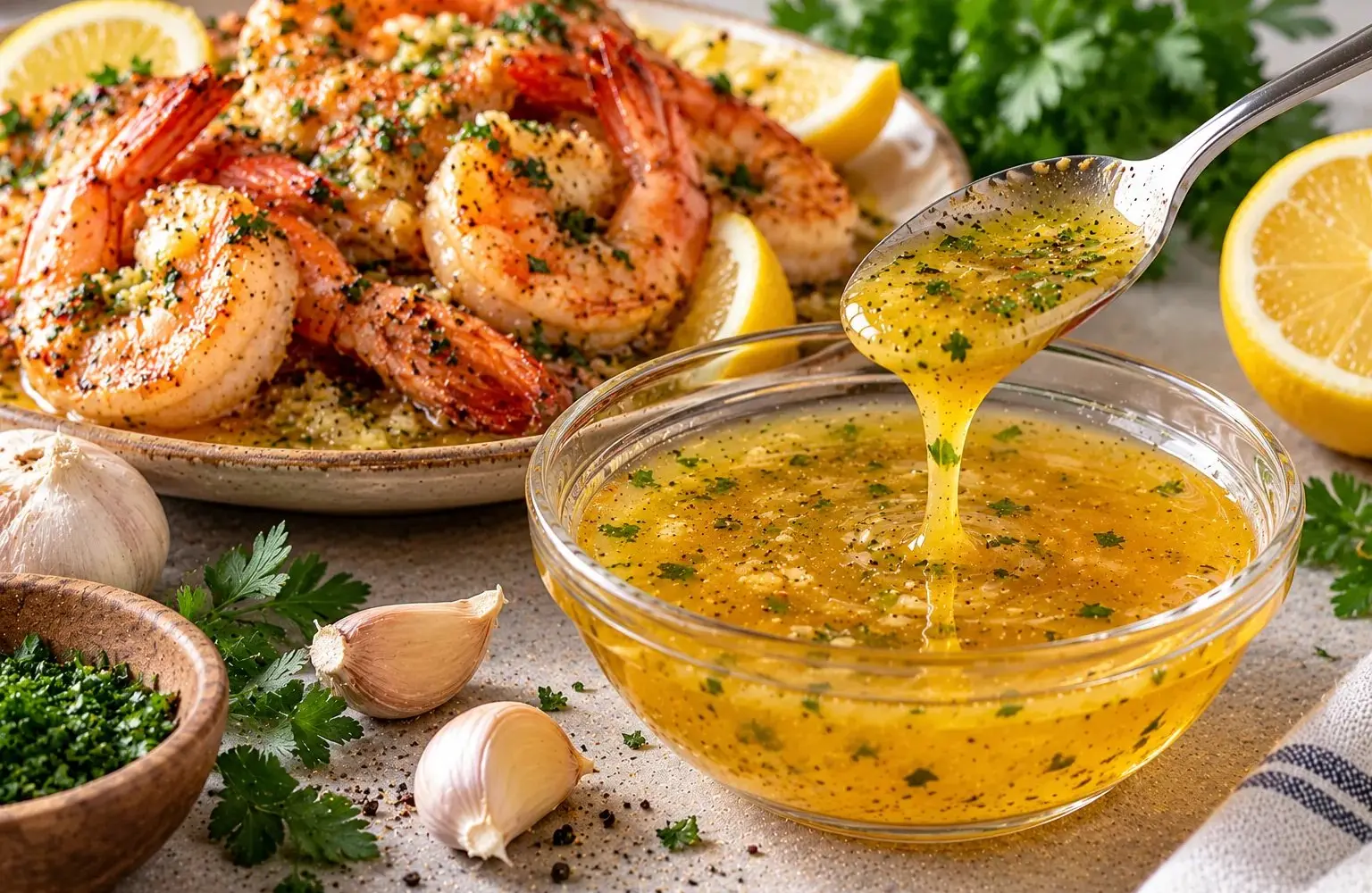
This lemon butter sauce recipe is a quick, bright pan sauce made with just a few ingredients: butter, a little garlic, fresh lemon juice and zest, salt, pepper and parsley. You melt the butter gently, warm the garlic for a few seconds, then take the pan off the heat and stir in the lemon. It takes about five minutes. Spoon it over pan-fried or baked fish, shrimp, chicken or steamed vegetables. Below you’ll find why the lemon goes in off the heat, how to make a lemon caper version, and how it differs from a Cajun seafood boil butter.
What Is Lemon Butter Sauce?
Lemon butter sauce is melted butter seasoned with fresh lemon and a touch of garlic, served warm. It’s rich and tangy at the same time, which makes it a natural match for mild white fish and shellfish. Because it’s mostly butter, it’s best made right before serving: it’s silky while warm and firms up as it cools.
Lemon butter vs. seafood boil butter vs. dill sauce
| Lemon butter sauce | Seafood boil sauce | Dill sauce | |
|---|---|---|---|
| Base | Butter, lemon | Butter, Cajun seasoning, garlic | Sour cream, mayo |
| Served | Warm | Warm | Cold |
| Flavor | Bright, buttery, mild garlic | Spicy, garlicky, bold | Cool, herby, tangy |
| Best with | Fish fillets, shrimp, chicken | Crab, shrimp boils, corn | Salmon, cold seafood |
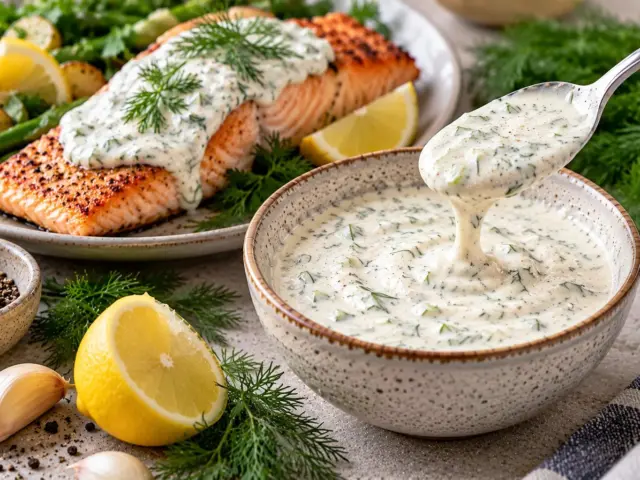
For a bold, spicy butter for crab and shrimp boils, make our Cajun garlic butter seafood boil sauce. For a cold, creamy sauce for salmon, try our lemon dill sauce.
Ingredients You’ll Need
- Unsalted butter (4 tablespoons / 56 g): the body of the sauce. Unsalted butter lets you control the salt.
- Garlic (1 clove, minced): a gentle savory note; cook it only briefly.
- Fresh lemon juice (2 tablespoons): the tang. Bottled juice tastes flatter.
- Lemon zest (1/2 teaspoon): extra lemon flavor without more acidity.
- Salt (1/4 teaspoon) and black pepper (a pinch): seasoning.
- Fresh parsley (1 tablespoon, chopped): color and freshness.
How to Make Lemon Butter Sauce
- Melt the butter. In a small saucepan or skillet over medium-low heat, melt the butter.
- Warm the garlic. Add the garlic and cook, stirring, for 30 to 60 seconds, until fragrant. Don’t let it brown.
- Add the lemon off the heat. Remove the pan from the burner, then add the lemon juice, zest, salt and pepper and swirl to combine.
- Finish and serve. Stir in the parsley and spoon the sauce over your fish or vegetables right away.
Why add the lemon off the heat?
Adding the lemon juice after you take the pan off the heat helps keep the butter sauce from splitting, as Fine Dining Lovers notes in its lemon butter sauce method. It also keeps the lemon tasting fresh.
Making It With Capers, Chili or Extra Garlic
- Lemon caper butter: stir in 1 to 2 tablespoons drained capers with the lemon juice. Skip or reduce the salt; capers are salty.
- Extra garlic: use 2 cloves for a garlicky lemon butter for shrimp.
- Chili lemon butter: add a pinch of red pepper flakes with the garlic.
- Herb swaps: use chives, dill or cilantro instead of parsley.
Fish Doneness and Leftovers
Cook fish to 145°F, or until the flesh turns opaque and separates with a fork, and chicken to 165°F, as the CDC recommends. The sauce firms up as it cools, so make it just before serving. If you have leftovers, refrigerate them within 2 hours and rewarm gently over low heat, stirring.
Frequently Asked Questions
What is lemon butter sauce made of?
Butter, fresh lemon juice, a little garlic, salt and pepper, often finished with lemon zest and parsley.
Can I make lemon butter sauce without wine?
Yes. This version uses no wine at all; the lemon juice provides the acidity.
Why did my lemon butter sauce separate?
It may have been too hot when the lemon went in, or it was left to cook too long. Take the pan off the heat before adding the lemon, and whisk it back together.
What fish goes with lemon butter sauce?
Mild white fish like cod, tilapia, sole, halibut and haddock, plus salmon, shrimp and scallops.
Can I make it ahead?
It’s best fresh. Butter firms as it cools, so rewarm leftovers gently over low heat, stirring.