 Save
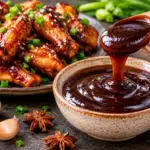
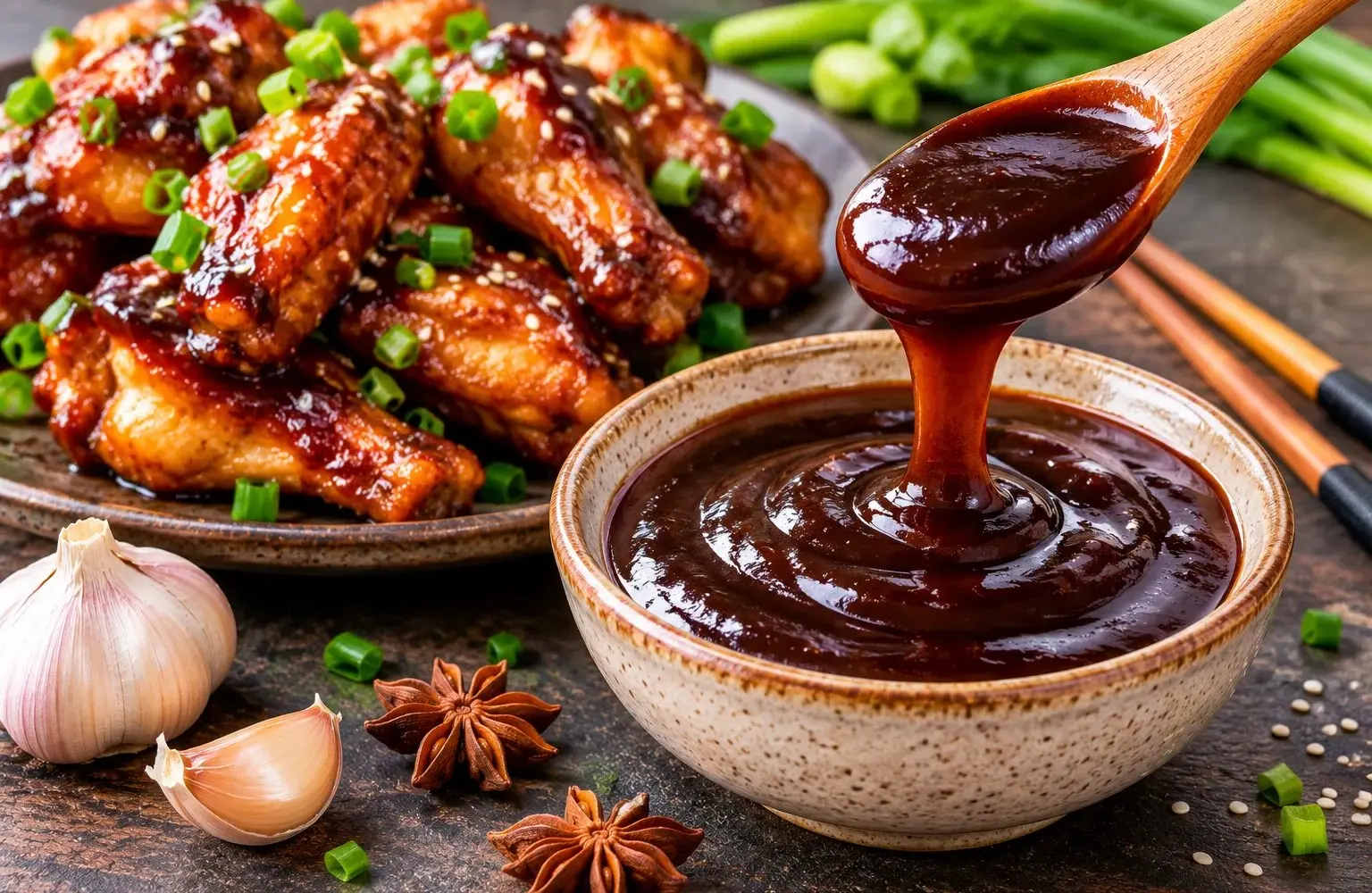
Hoisin sauce is a thick, dark, sweet and salty condiment used in Chinese cooking, best known as the sauce served with Peking duck and brushed onto Cantonese-style barbecued pork. This recipe is a quick pantry version: soy sauce, creamy peanut butter, molasses, honey, rice vinegar, sesame oil, garlic, a little sriracha and Chinese five-spice, warmed for a few minutes until glossy. It takes about 8 minutes and makes about 3/4 cup. Below you’ll find what it’s made of, how it differs from similar sauces, how to use it, and how to store it.
What Is Hoisin Sauce?
Hoisin sauce (hǎixiān jiàng in Mandarin) is a thick, dark condiment with a sweet, salty flavor. Store-bought hoisin is made with fermented soybean paste plus seasonings such as garlic, chilies and sesame. Its Chinese name translates to “seafood sauce,” but it contains no seafood and isn’t usually used with fish.
It’s common in Cantonese cooking for marinades and glazes on barbecued meats such as char siu and spareribs, it’s the classic condiment for Peking duck and moo shu, and it’s often served alongside pho in Vietnamese restaurants.
Homemade vs. store-bought hoisin
Jarred hoisin gets its deep, funky flavor from fermented soybean paste, which takes time to make. This homemade version doesn’t try to replicate that fermentation. Instead, soy sauce brings the salty, savory base, molasses and honey add dark sweetness, and peanut butter gives the thick, clingy body. It’s a good stand-in for stir-fries, glazes and dipping when you don’t have a jar on hand.
Hoisin vs. teriyaki vs. stir fry sauce
| Hoisin | Teriyaki | Stir fry sauce | |
|---|---|---|---|
| Texture | Thick, paste-like | Glossy, pourable | Thin, cornstarch-thickened |
| Flavor | Sweet, salty, warm-spiced | Sweet, soy-forward | Savory, balanced |
| Common use | Glazes, dipping, Peking duck | Glazing grilled chicken | All-purpose for stir-fries |
For a glossy soy glaze, see our teriyaki sauce. For an everyday wok sauce, try our all-purpose stir fry sauce.
Ingredients You’ll Need
- Low-sodium soy sauce (1/4 cup): the salty, savory base. Tamari works for a wheat-free option.
- Creamy peanut butter (2 tablespoons): body and thickness. The sauce doesn’t taste strongly of peanuts. Use tahini or sunflower seed butter if peanuts are a concern.
- Molasses (2 tablespoons): dark color and deep, slightly bitter sweetness.
- Honey (1 tablespoon): extra sweetness and shine.
- Rice vinegar (1 tablespoon): a little tang to balance the sugar.
- Toasted sesame oil (2 teaspoons): nutty aroma.
- Garlic (1 clove, finely grated).
- Sriracha (1 teaspoon): gentle heat. Use less or skip it for a mild sauce.
- Chinese five-spice powder (1/4 teaspoon): the warm, spiced note typical of hoisin.
- Black pepper (a pinch) and water (1 to 2 tablespoons): seasoning and thinning.
How to Make It at Home
- Whisk. In a small saucepan, whisk the soy sauce, peanut butter, molasses, honey, rice vinegar, sesame oil, garlic, sriracha, five-spice and black pepper until smooth.
- Warm. Set the pan over low heat and cook, whisking, for 2 to 3 minutes, until the sauce is smooth, glossy and slightly thicker. Don’t let it boil hard, or the sugars can scorch.
- Adjust. Whisk in 1 to 2 tablespoons water to reach a thick but spoonable consistency. Taste and add more honey or sriracha if you like.
- Cool. Let it sit off the heat; it firms up a little at room temperature.
Ways to Use Hoisin
- Glaze: brush onto chicken wings, pork chops, salmon or meatballs during the last few minutes of cooking. It contains sugar, so it can burn over high heat.
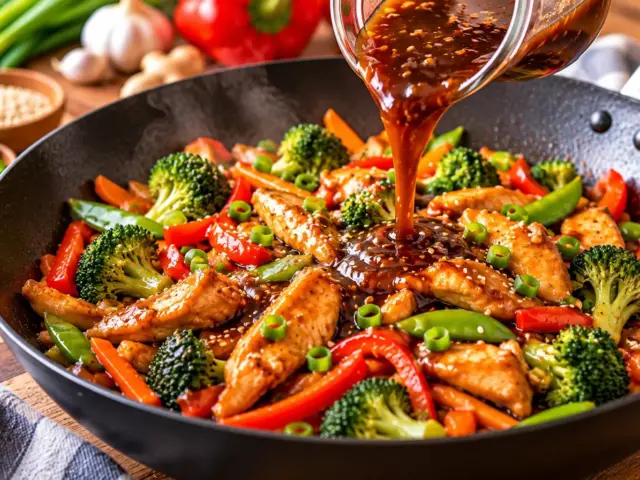
- Stir-fries: add a spoonful to a stir-fry sauce for sweetness and depth.
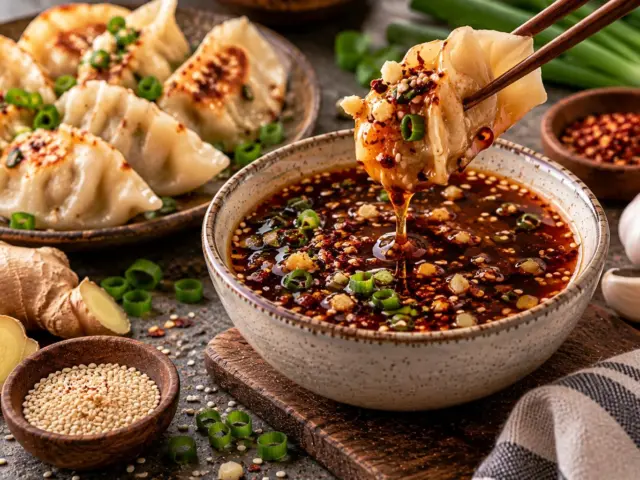
- Dipping: serve with spring rolls, lettuce wraps and dumplings.
- Wraps: spread thinly on pancakes or tortillas with shredded chicken or duck, scallions and cucumber.
- Noodle soup: offer it at the table for pho, alongside sriracha.
If you love nutty, sweet dipping sauces, also try our Thai peanut sauce.
Allergy and Label Notes
This homemade hoisin contains peanuts and soy, and standard soy sauce contains wheat. For a peanut-free sauce, use tahini or sunflower seed butter. For a wheat-free sauce, use tamari and check the label. Jarred hoisin also varies by brand, so read the ingredient list if you’re cooking for anyone with allergies.
Storing Homemade Hoisin
Refrigerate the sauce in a covered jar within 2 hours of making it, and keep your refrigerator at 40°F or below, as the CDC recommends. It firms up when cold; stir in a few drops of warm water before using.
Frequently Asked Questions
What is hoisin sauce made of?
Store-bought hoisin is made from fermented soybean paste with sugar, garlic, chilies, sesame and spices. This homemade version uses soy sauce, peanut butter, molasses and honey.
What does hoisin taste like?
Sweet and salty, with a savory depth and a warm spice note.
Is hoisin the same as oyster sauce?
No. Oyster sauce is made with oyster extract and is more savory; hoisin is sweeter and contains no seafood.
What can I substitute for hoisin?
This homemade version works well. In a pinch, mix soy sauce with a little honey or brown sugar and a dab of peanut butter.
Is hoisin gluten-free?
Many store-bought brands are not. Make this version with tamari and check every label.